
How to Identify Authentic Handmade Products
How to Identify Authentic Handmade Products
Handmade products have become highly sought after for their uniqueness and craftsmanship.
However, with the rise in demand, counterfeit goods are becoming more common.
Knowing how to identify truly handmade products is essential to avoid paying for something that isn't authentic.
Here are five tips to help you spot the real deal.
1. Look for Unique and Imperfect Features
One of the key characteristics of handmade products is imperfection.
Unlike mass-produced goods, each handmade item is slightly different, even when made by the same artisan.
Look for slight variations in size, shape, or colour.
For instance, pottery may have subtle glazing differences.
Handwoven textiles might show slight inconsistencies in pattern.
These small imperfections add value.
They show that the product was crafted carefully rather than made in a factory.
A perfectly uniform product may be a red flag.
Understanding the Handcrafted Difference
Handcrafted items are often made using traditional methods.
The process may involve tools that leave marks or slight variations in the product.
These signs are a positive reflection of the human touch involved in creating the item.
2. Research the Maker or Seller
Authentic handmade goods often come with a story about the maker.
Look for information about the artisan's background and production process.
A legitimate maker or seller often shares details about their techniques and inspiration.
Check reviews, social media profiles, or the brand's website to learn more.
Reputable sellers will provide transparency, and you'll often find testimonials from past buyers.
Don't hesitate to ask the seller how the product is made.
A genuine artisan will be happy to share the details.
How to Verify the Maker’s Credibility
Look for certifications or affiliations with recognized craft associations.
This can provide extra assurance that the product is authentic.
Also, direct communication should be sought with the artisan to confirm their process and product origin.
3. Check for Quality Materials and Craftsmanship
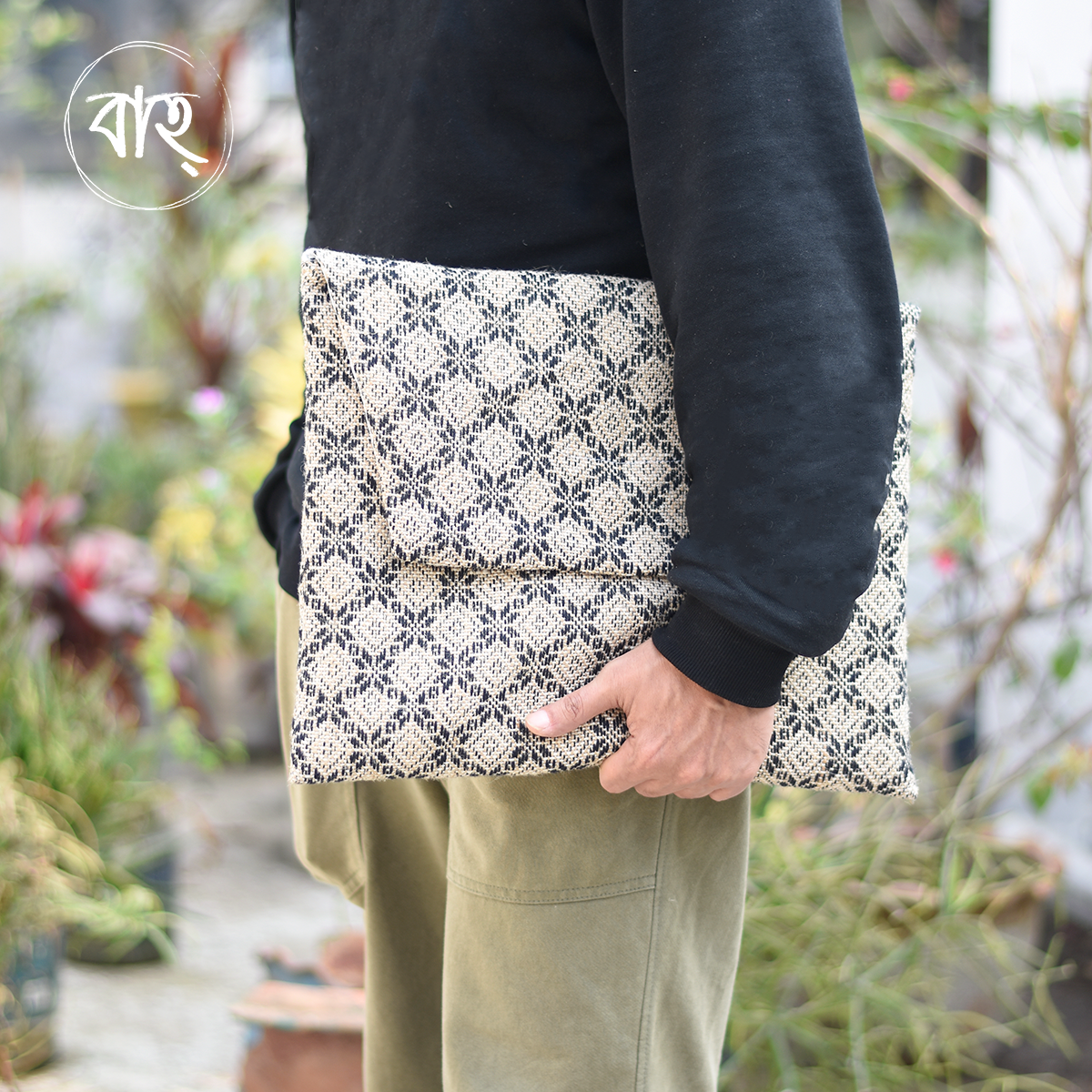
High-quality materials are a hallmark of authentic handmade products.
Look for natural materials like wood, leather, metal, or stone.
Mass-produced items often use synthetic or lower-quality materials to reduce costs.
Examine the finish of the item.
Handmade products should have attention to detail—no sharp edges or sloppy stitching.
For example, leather goods should feel soft but durable, while wooden items should be smooth and well-finished.
A genuine handmade item will have evidence of craftsmanship in every corner, from the stitching to the finish.
Signs of High-Quality Handmade Materials
- Leather: Should have a natural texture with slight variations
- Wood: Should feel solid and show the natural grain
- Textiles: Should feel sturdy and well-woven, not flimsy
- Metal: Should feel weighty and be free from unnecessary blemishes
4. Understand the Product’s Origin and Story
Authentic handmade goods often come with a story that tells you about its origins.
Ask the maker or seller about where and how the item was made.
Understanding the local culture, materials, and processes can help you confirm authenticity.
For example, a handmade basket might come from a region known for weaving.
A necklace made with beads might have a story tied to the cultural significance of the beads.
These stories connect the maker and the buyer, making the product more meaningful.
Why Product Stories Matter
Knowing where a product comes from and who made it provides transparency.
It also builds trust and confirms that the product isn’t just another mass-produced item.
5. Beware of Over-Processed or Machine-Like Items
Many mass-produced items may look similar to handmade goods but feel too polished or perfect.
Handmade products often retain the subtle marks of the artisan's tools and methods, giving them a distinct feel.
Be wary of products that seem too uniform, with no signs of human involvement.
For example, a handmade scarf should have slight variations in texture or colour.
If the fabric looks completely identical in every section, it’s likely machine-made.
Additionally, handcrafted items often have a sense of personality and uniqueness that mass production can’t replicate.
Recognizing Mass-Produced Goods
- Perfect symmetry in design
- Excessively polished or uniform surfaces
- Lack of visible signs of human effort (e.g., tool marks or stitching variations)
Final Thoughts
Identifying authentic handmade products requires attention to detail and an understanding of craftsmanship.
You can be confident in your purchases by looking for signs of imperfection, researching the maker, and examining materials.
