
What are the handicraft products of Bangladesh?
Bangladesh, a country woven with rich cultural narratives, showcases an impressive array of handicraft products that reflect its vibrant heritage. The handicraft products of Bangladesh are more than mere creations; they embody the nation's soul. Through traditional crafts in Bangladesh, artisans weave stories of their ancestors into every piece. From intricately designed textiles to unique pottery, these crafts highlight the artistic expression of Bangladeshi handicrafts and contribute significantly to the livelihood of millions. Artisan crafts in Bangladesh flourish with techniques handed down through generations, symbolizing the resilience and creativity of its people.
What are the handicraft products of Bangladesh?
The handicraft industry is a crucial segment of the Bangladeshi economy, allowing artisans to sustain their families while preserving cultural practices. This article will delve deeper into the various types of handicrafts, illustrating the diversity and artistry that make Bangladesh a notable destination for craft enthusiasts.
Key Takeaways
- Bangladesh is home to diverse and unique handicraft products reflecting its cultural heritage.
- Traditional crafts in Bangladesh often incorporate techniques passed down through generations.
- Handicrafts are vital to the Bangladeshi economy, providing essential livelihoods for artisans.
- Artisan crafts in Bangladesh emphasize creativity and resilience in the face of challenges.
- The variety in Bangladeshi handicrafts includes textiles, pottery, and sustainable jute products.
Exploring the Rich Tradition of Bangladeshi Handicrafts
Bangladesh's vibrant landscape of cultural handicrafts reflects a rich history interwoven with the lives of skilled artisans. These traditional crafts in Bangladesh have evolved over centuries, serving as manifestations of local culture, heritage, and identity. Artisans transform stories and practices into tangible art, showcasing a mesmerizing blend of techniques and materials.
Historical Significance of Handicrafts in Bangladesh
Handicrafts have been integral to Bangladesh's social and economic fabric. They have supported livelihoods and fostered community engagement through generations. The origins of Bangladeshi handicrafts highlight the cultural narratives and creativity that define the nation, with various forms passed down from generation to generation.
Materials Used in Bangladeshi Handicraft
Natural resources form the backbone of materials in Bangladeshi handicrafts. Locally sourced items such as:
- Cotton
- Jute
- Clay
These materials ensure sustainable practices and imbue the crafts with unique character and charm. Artisans harness these resources to create products that resonate with the environment and cultural symbolism.
Regions Famous for Artisan Crafts in Bangladesh
Several regions of Bangladesh that offer artisan crafts exhibit distinct styles and specialities. Each area contributes to the craft narrative, enhancing the overall diversity. Some notable regions include:
- Dhaka: Renowned for its exquisite textiles, particularly muslin.
- Nature: Famous for intricate pottery that embodies local artistry.
- Various districts: Notable for high-quality jute products that highlight sustainability.
These regions combine to create a tapestry of cultural richness, making Bangladeshi handicrafts remarkable.
What are the handicraft products of Bangladesh?
The vibrant landscape of Bangladesh showcases a rich diversity of artisanal creations. The handicraft products of Bangladesh reflect the remarkable creativity of skilled artisans, encompassing a wide array of materials and techniques. This section explores the most renowned categories, emphasizing each type's cultural significance and unique characteristics.
Textiles: The Pride of Bangladeshi Handicrafts
Textiles stand out as one of the most popular handicrafts in Bangladesh. Among these, muslin and jamdani sarees exemplify exceptional craftsmanship. Muslin is a fine cotton fabric that once graced royal courts, while jamdani features intricate woven patterns that celebrate the country's artistic heritage. These handmade products from Bangladesh not only serve as clothing but also as beautiful representations of cultural identity.
Pottery: Unique Ceramics from Bangladesh
The art of pottery in Bangladesh showcases unique ceramics with functional and aesthetic value. Various regions produce distinctive styles, from terracotta pots to ornate decorative pieces. Agricultural communities often rely on these artisanal ceramics for everyday use, exemplifying a strong connection to local traditions and craftsmanship.
Jute Products: Sustainable Crafts for the Modern World
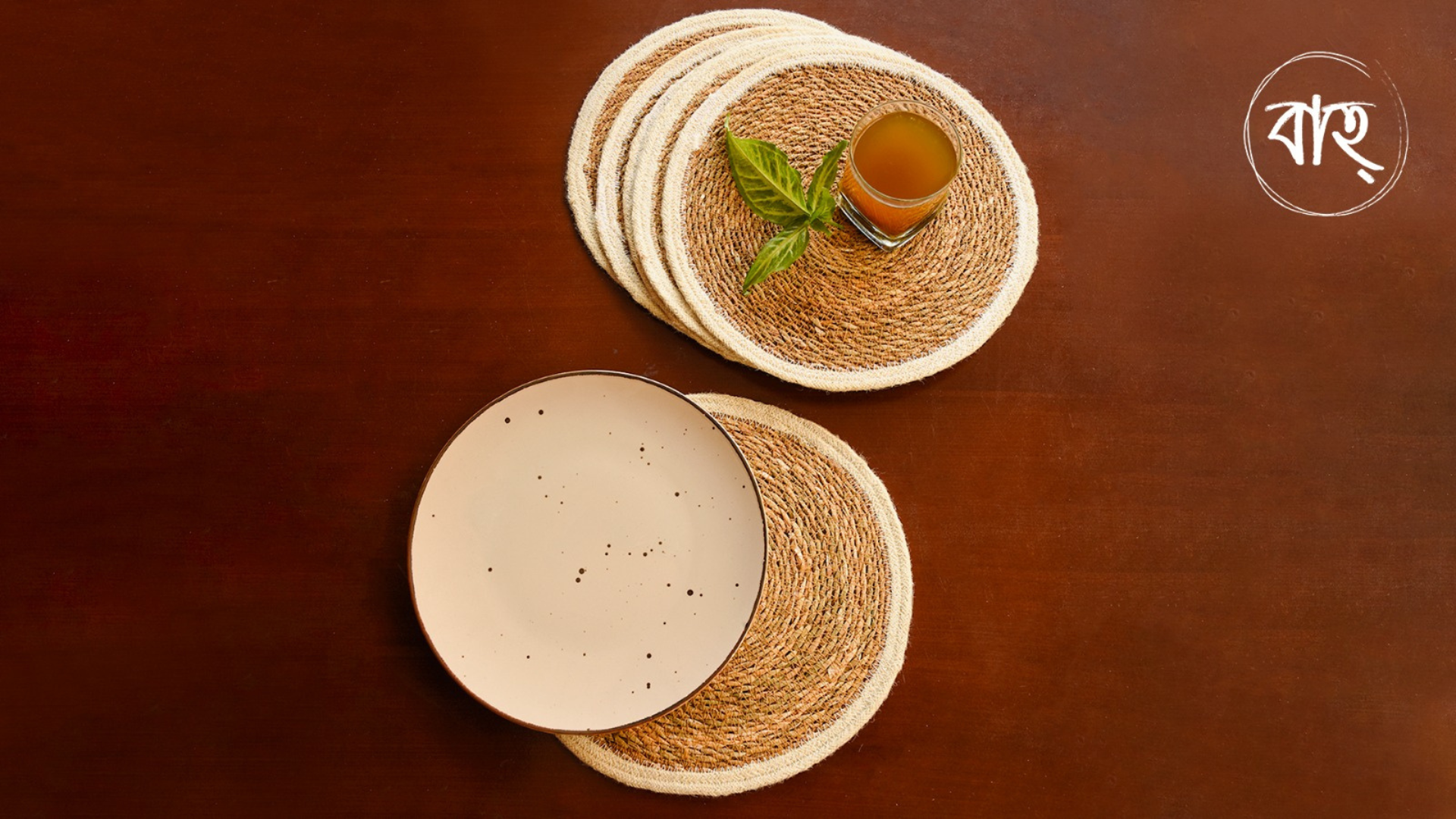
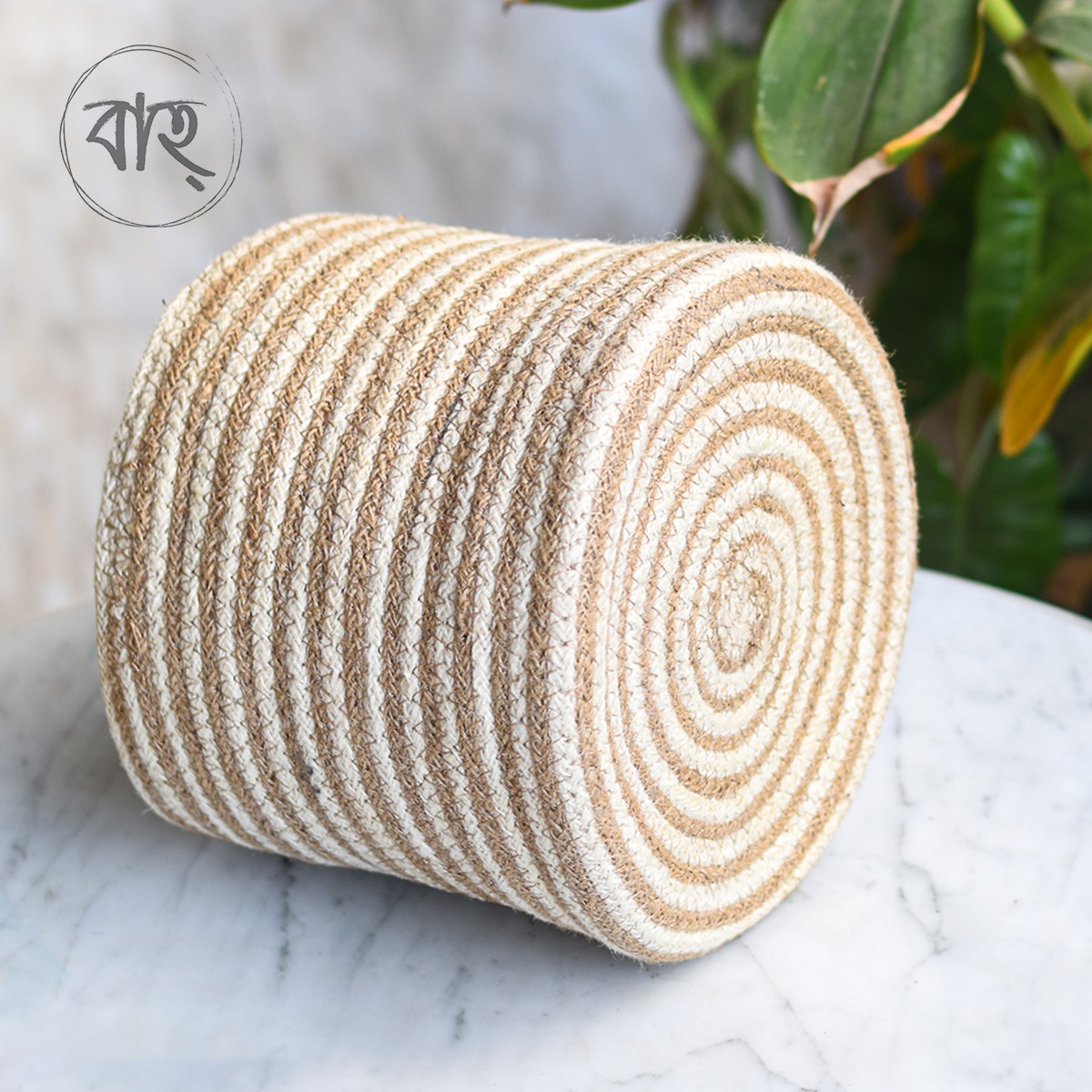
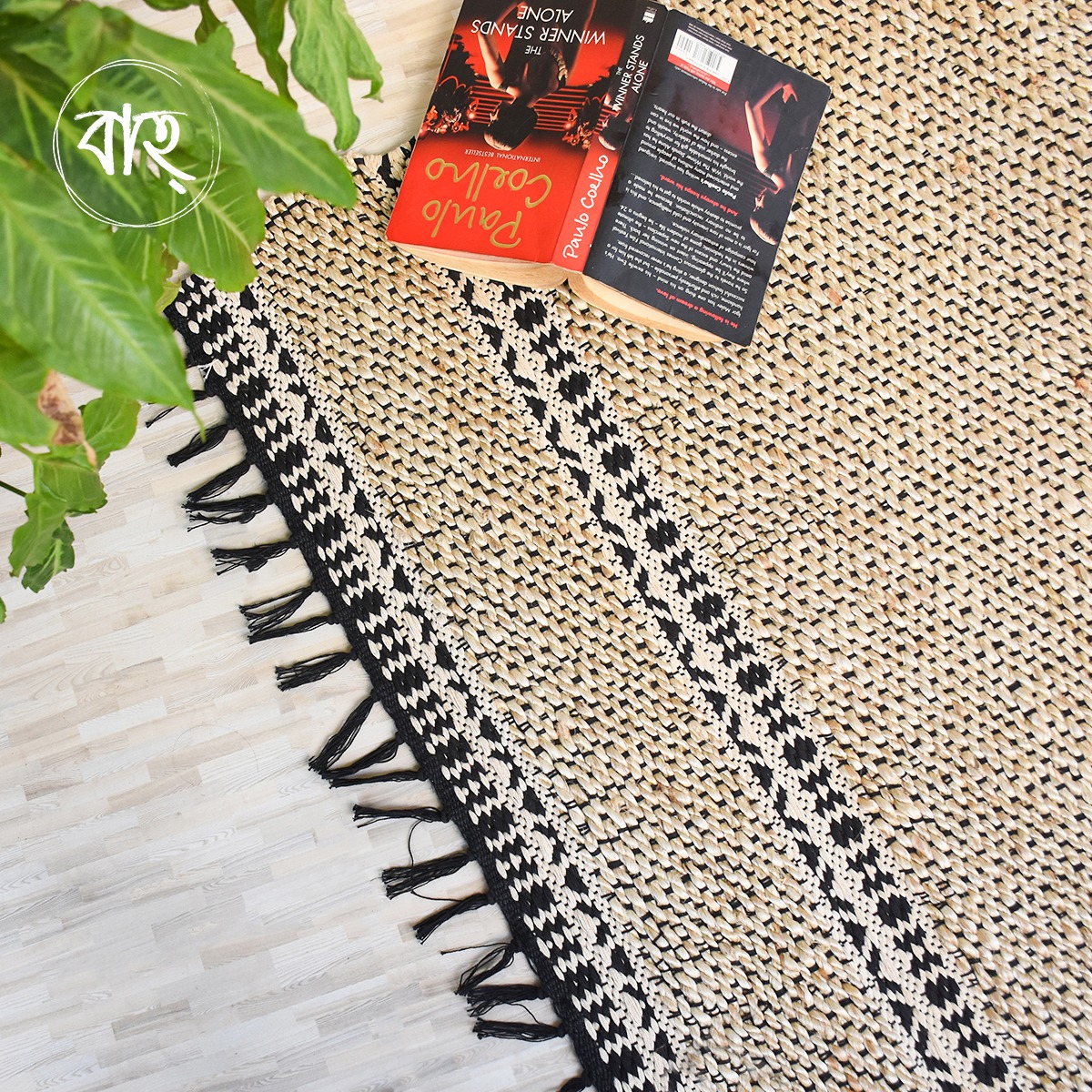
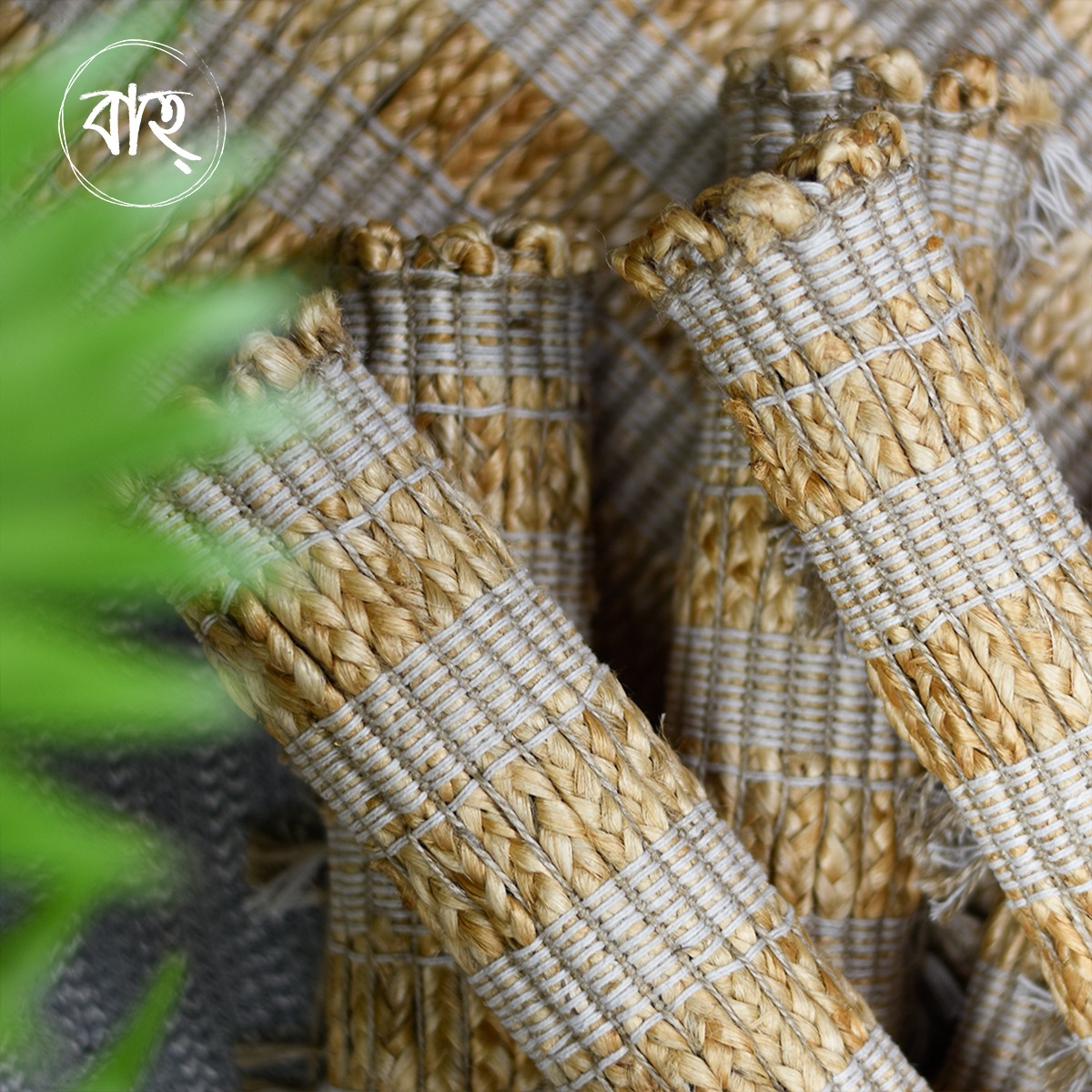
Bangladesh is a global leader in producing jute products and is recognized for its eco-friendliness. Jute, often called "Burlap," is a versatile material for crafting bags, rugs, and home decor items. The popularity of jute crafts aligns with modern sustainability efforts, positioning these handmade products from Bangladesh as a responsible choice for environmentally conscious consumers.
Metal and Wood Crafts: A Blend of Tradition and Artistry
The rich tradition of metal and wood crafts in Bangladesh reflects the skills of artisans who have honed their techniques over generations. Products such as brass ornaments, intricate wooden furniture, and decorative pieces demonstrate the exceptional craftsmanship in artisan crafts in Bangladesh. Each item tells a story, blending traditional artistry with contemporary design elements.
Product Type Materials Notable Features
Textiles Cotton, Silk,Muslin, Jamdani weaves
Pottery Terracotta Functional and decorative items
Jute Products Jute fibres are Eco-friendly, versatile items
Metal Crafts Brass, Copper Intricate designs, ornaments
Wood Crafts Various woods Furniture, carvings
Conclusion
The handicraft industry in Bangladesh stands as a testament to the nation's rich cultural heritage and artistic ingenuity. From intricate textiles to beautifully crafted pottery, the uniqueness and quality of Bangladeshi handicrafts reflect centuries of tradition and skilled craftsmanship. This industry is vital for preserving cultural identity and is essential to the country's economic framework.
Supporting local artisans ensures that these age-old traditions continue to flourish. As Bangladeshis, we have an opportunity to take pride in the exquisite craftsmanship of our people and recognize the importance of promoting Bangladeshi handicrafts in both local and international markets. By appreciating these handcrafted products, we contribute to the sustainability of this vital sector.
For global audiences, engaging with Bangladeshi handicrafts opens up a unique and culturally enriching world of artistry. It fosters an understanding of their values and the stories embedded within each piece, highlighting the need for continuous support to keep the vibrant handicraft industry in Bangladesh alive for generations to come.
FAQ
What are the handicraft products of Bangladesh?
The handicraft products of Bangladesh include a wide range of items such as textiles, pottery, jute products, metal crafts, and wood crafts. Each of these categories showcases the rich cultural heritage and artistic skills of Bangladeshi artisans.
What materials are commonly used in traditional crafts in Bangladesh?
Artisans in Bangladesh predominantly use locally sourced materials like cotton, jute, clay, and various metals to create their handicrafts. These materials highlight the sustainable practices followed by artisans and reflect the natural resources available in the country.
Which regions in Bangladesh are famous for artisan crafts?
Certain regions are renowned for their unique artisan crafts. Dhaka is well-known for its vibrant textile industry, Natore for its intricate pottery and various districts for its exceptional jute products. Each region contributes distinct styles and techniques to the handicraft industry in Bangladesh.
What types of textiles are produced as part of Bangladeshi handicrafts?
Bangladeshi textiles include famous products like muslin and jamdani sarees, which are celebrated for their craftsmanship, intricate designs, and elegance. These textiles are often seen as symbols of national pride and cultural identity.
How do Bangladeshi artisans blend tradition with modernity in their crafts?
Bangladeshi artisans skillfully combine traditional methods with contemporary design elements to produce innovative handicraft items. This blend allows artisans to cater to modern tastes while preserving their cultural heritage.
What role does the handicraft industry play in Bangladesh's economy?
The handicraft industry is a crucial sector in Bangladesh's economy, providing livelihoods for millions of artisans. It contributes to income generation and promotes cultural tourism and international market presence for its unique handicraft products.
Why are jute products considered sustainable handicrafts?
Jute products are considered sustainable because jute is a natural, biodegradable fibre that contributes to eco-friendly practices. The production of jute items helps support rural economies and promotes sustainable development in the handicraft industry.
What are some popular handicrafts among tourists visiting Bangladesh?
Tourists often admire handwoven textiles, intricately designed pottery, and authentic jute products while visiting Bangladesh. These items are popular not only for their craftsmanship but also for their representation of the country's rich cultural heritage.
